Birthing Biomechanics for Pregnancy & Labour
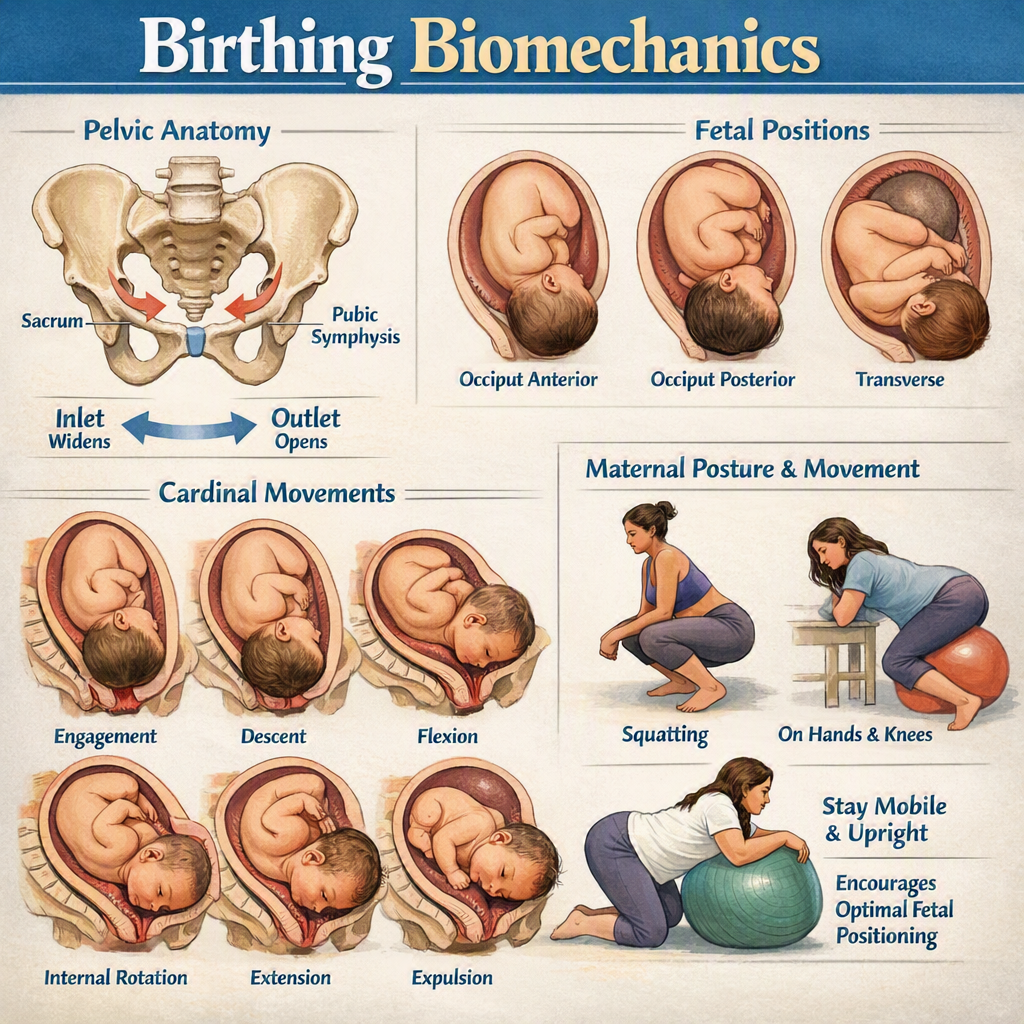
Birth is not just about contractions — it's also about how your baby navigates the unique shape and space of your pelvis. Birthing Biomechanics is the study of how movement, positioning and body balance can influence comfort, labour progress and your baby's journey through the birth canal.
As a Birth Doula trained in Birthing Biomechanics, I can help you understand practical techniques that may encourage your baby to find more favourable positions for birth and help you feel more comfortable throughout pregnancy and labour.
Every body and every birth is different. Birthing Biomechanics isn't about achieving a "perfect" birth position or guaranteeing a particular outcome. Instead, it offers a toolkit of gentle, practical approaches that can support physiological birth and help you work with your body during pregnancy and labour.
What Is Birthing Biomechanics?
Birthing Biomechanics focuses on the relationship between:
The baby's position
The shape and movement of the pelvis
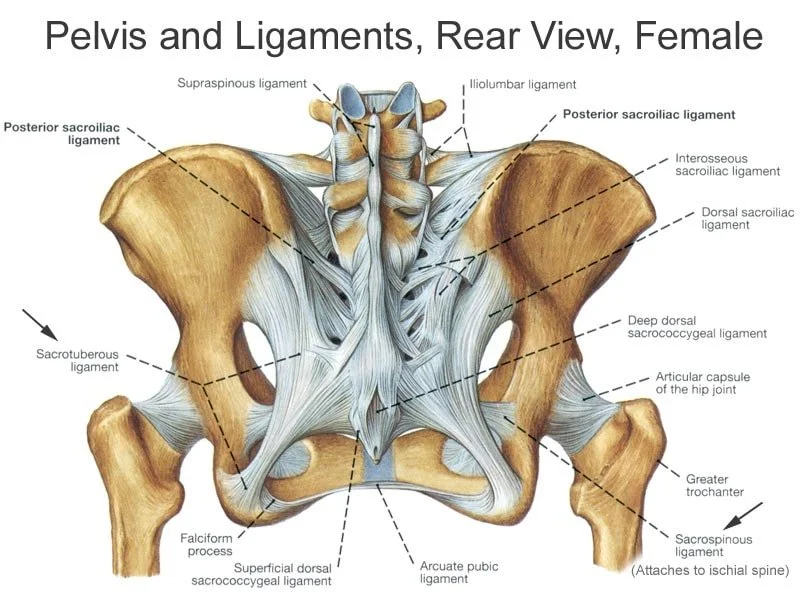
Soft tissues, muscles and ligaments
Movement and positioning
Through understanding how these elements work together, we can explore ways to create balance and space within the body that may support comfort, optimal foetal positioning and labour progress.
Small changes can sometimes make a big difference. The way you sit, rest, move and position yourself during labour can all influence how your baby descends through the pelvis.
How I Can Support You
As part of your doula support, we can explore:
During Pregnancy
Understanding baby's position and how it may influence labour
Everyday movements and postures that encourage comfort and balance
Gentle exercises and positions to create space within the pelvis
Preparing your body for labour and birth
Techniques that may help if baby appears to be in a less favourable position
During Labour
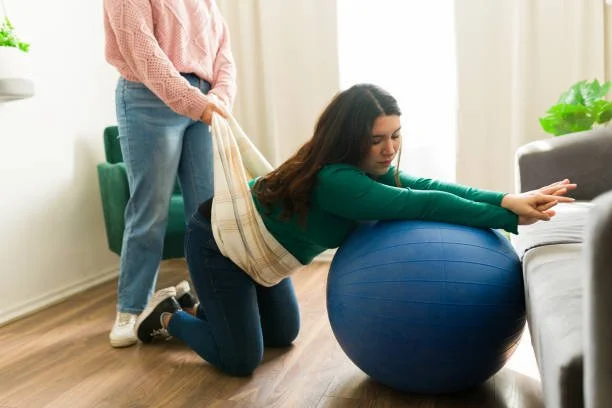
Position changes to encourage progress and comfort
Practical movement techniques during different stages of labour
Strategies to create more space within the pelvis
Rebozo-inspired comfort measures (where appropriate)
Supporting you to follow your instincts while offering additional ideas and options
My role is not to diagnose or provide medical advice, but to offer practical, evidence-informed support and help you explore positions and movements that may feel beneficial for you.
Why Birthing Biomechanics Matters
Many parents spend time preparing mentally and emotionally for birth through antenatal education and hypnobirthing, but physical preparation can be equally valuable.
Understanding how your body works during labour can help you:
Feel more confident and prepared
Discover positions that feel comfortable and effective
Support your baby's journey through the pelvis
Increase your options during labour
Feel actively involved in the birth process
Approach labour with greater understanding and confidence
Birthing Biomechanics works beautifully alongside Hypnobirthing, combining practical physical tools with mindset, relaxation and informed decision-making.
Part of Your Personalised Support
When you work with me as your Birth Doula, Birthing Biomechanics principles are naturally incorporated into our antenatal discussions and labour preparation.
Together, we'll explore what feels right for your body, your baby and your birth preferences.
Whether you're planning a home birth, birth centre birth, hospital birth, induction, VBAC or caesarean birth, my focus is always on helping you feel informed, supported and confident in your choices.
Ready to Learn More?
If you'd like to find out how Birthing Biomechanics can complement your birth preparation or doula support, I'd love to chat.
Book a free, no-obligation discovery call and let's explore how I can support you during pregnancy, birth and beyond.